Words by Julia Svetlosakova
A few years ago, during a long train journey somewhere between Bangkok and Chiang Mai, I remember sitting by the window watching the landscape slowly unfold outside.
Rice fields glowing under late afternoon light. Tiny stations where nobody seemed particularly concerned about time. Children waving as the train passed slowly through villages I would never know by name.
Hours went by and everyone seemed at ease. That was the first time I truly appreciated the romance of rail travel, offering a completely different way of experiencing the world without the commuter tag I wore proudly for years.
Recently, I found myself thinking about that feeling again during a conversation with Gareth van Wyk from Rovos Rail, the world’s largest family-owned luxury railway operator.
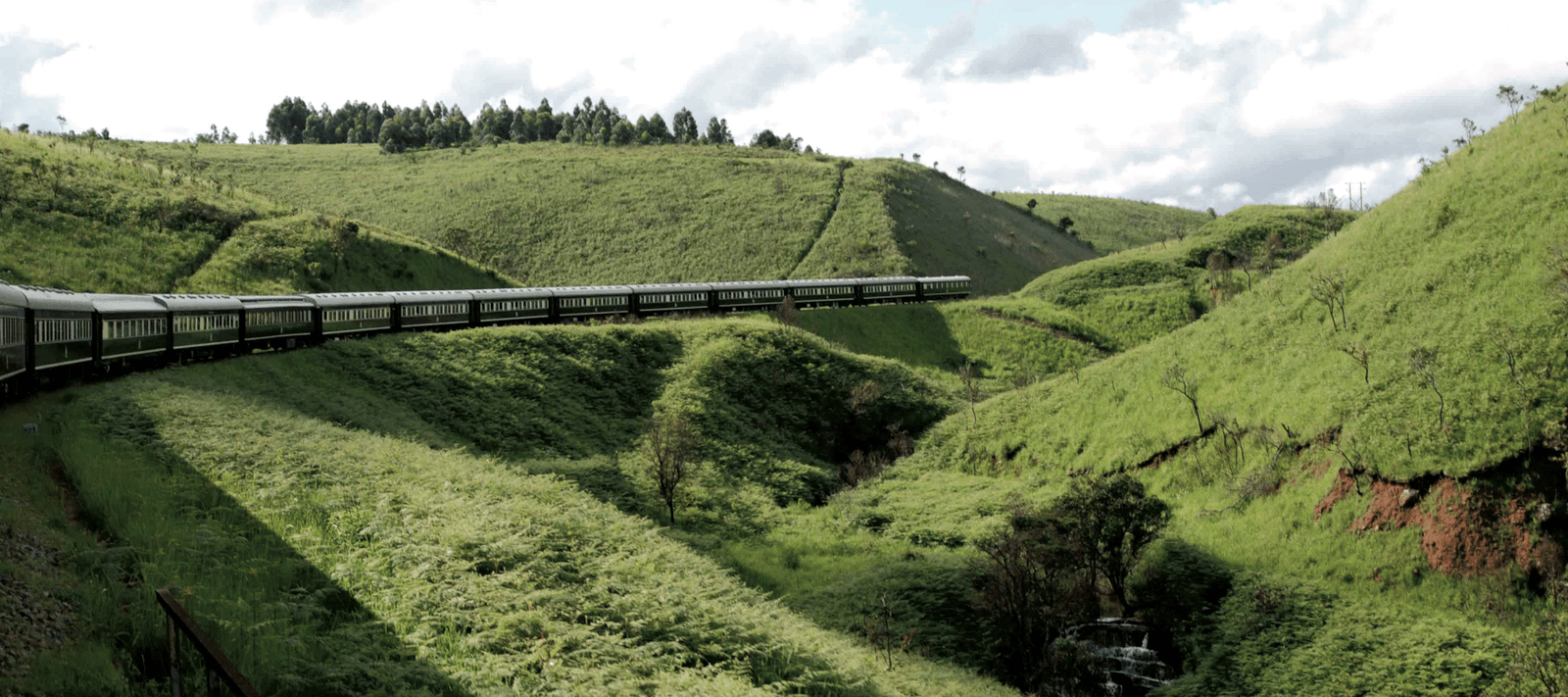
The more Gareth spoke, the more it became clear that Rovos Rail is not trying to compete with modern travel trends at all. Instead, they are staying true to their core values while meticulously curating journeys that showcase Southern Africa — its beauty, culture, landscapes, and resilience.
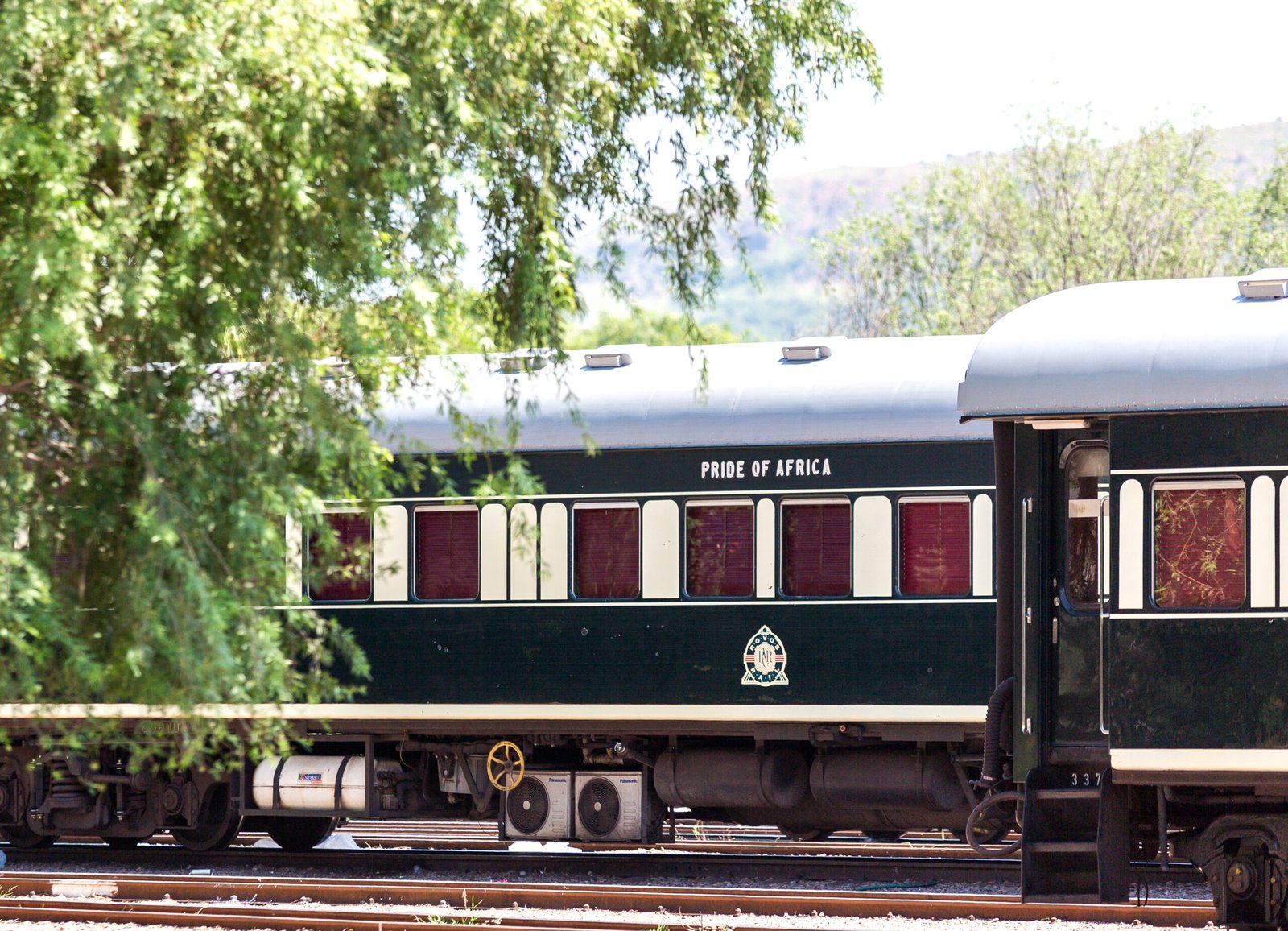
He explained Rovos Rail experience is modular,
“You can do a shorter journey and use it as a linchpin within a wider itinerary, or you can come on a true rail adventure for nine to sixteen nights where you forget about time, internet, and noise. You take in the romance. Have a good conversation, look out the window and watch the world pass by.”
Modern travel became so focused on speed that we forgot the emotional beauty of the journey itself.
Rovos Rail carries the feeling of having been gently transported from another era into the modern world without losing its soul along the way.
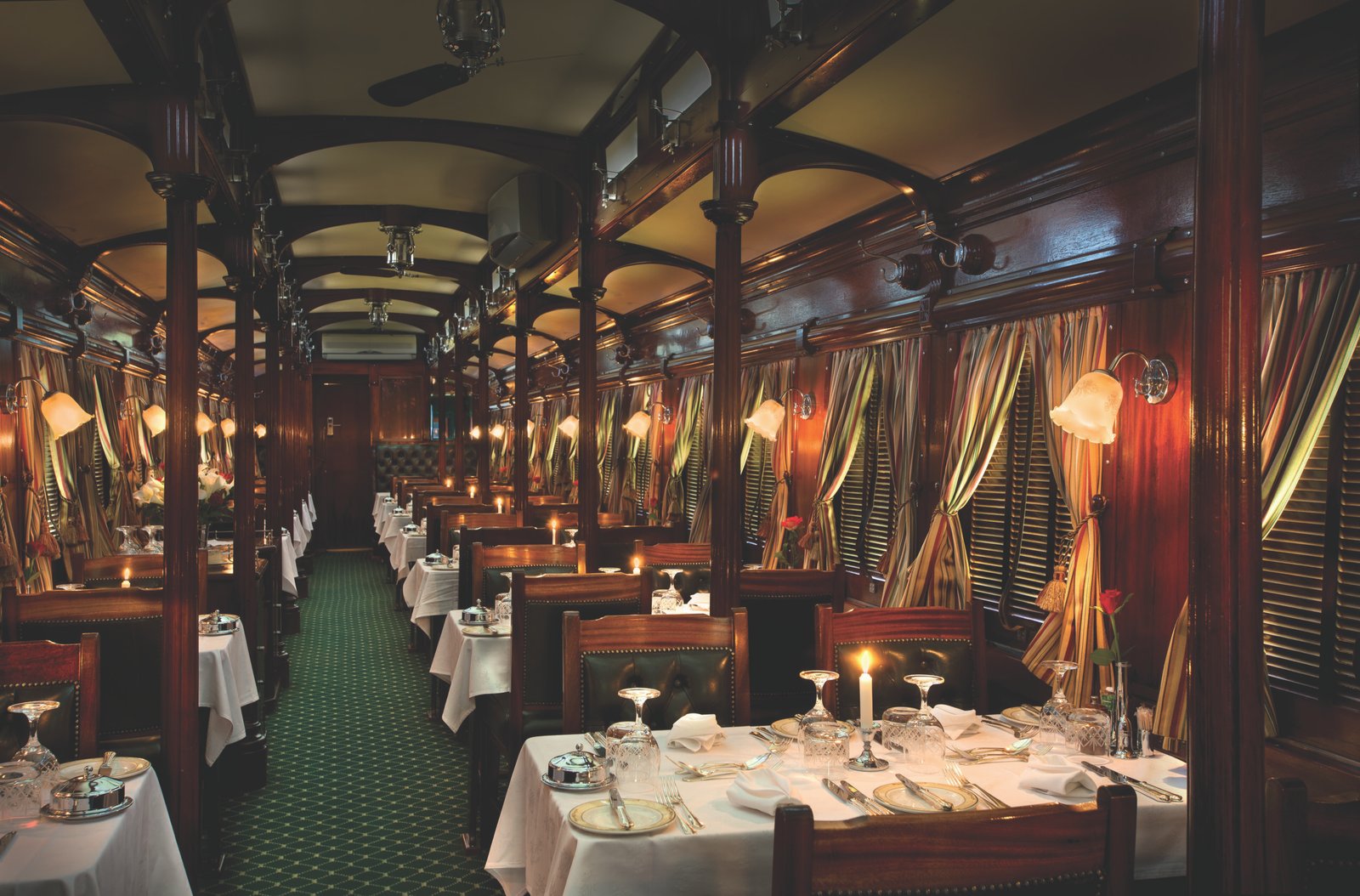
I kept thinking about the glamour of the 1920s and the world of The Great Gatsby. The romance of old-world rail travel. I can picture warm golden light filling the observation car. The long lunches and deep conversation over exquisite South African wines while vast landscapes unfold beyond the carriage windows. Guests wandering through the carriages down after dinner to play cards while the gentle rhythm of the train quietly slows everybody’s internal clock without them even realising it.
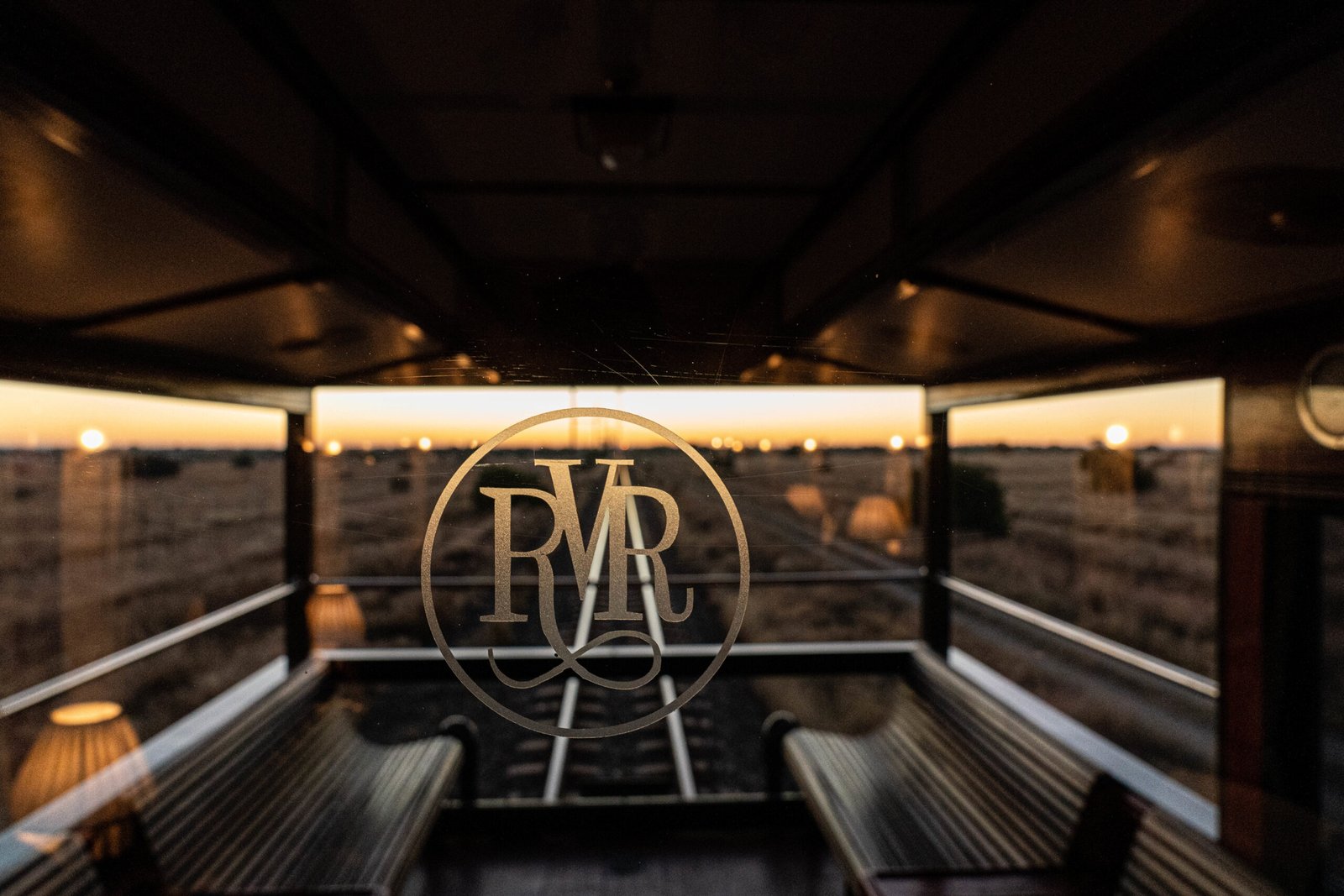
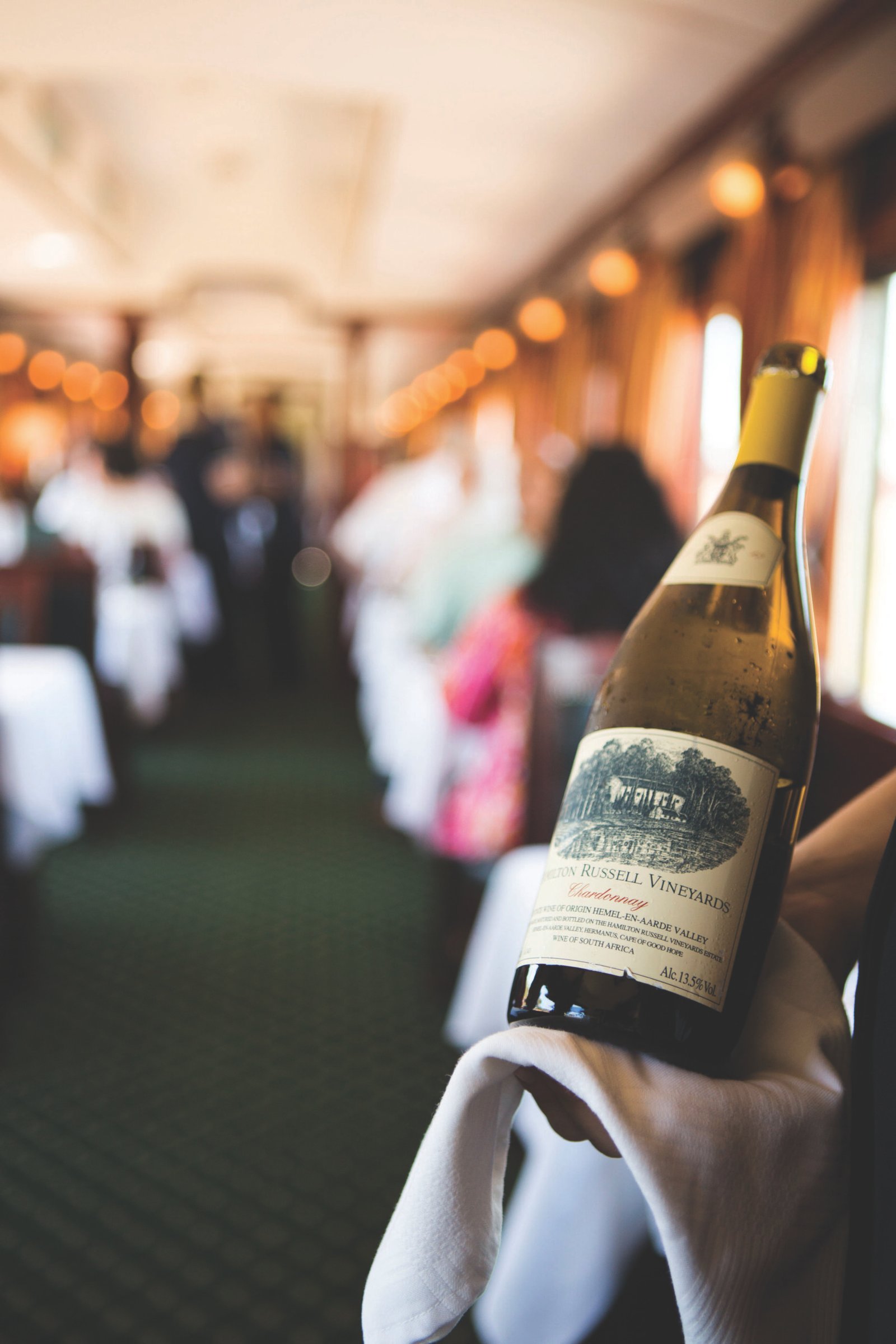
The gastronomy abroad is deeply rooted in South African flavour and provenance. And wine itself feels like part of the journey, with many of the wines sourced from single vineyards and independent estates, creating another layer of connection to the places and regions unfolding beyond the train itself. Think Kanonkop Pinotage, with historic vintage from 1973. Or if you prefer a wooded and buttery chardonnay, then Hamelton Russell would be a perfect pairing.
What makes it feel even more luxurious today is what is missing. The absence of WiFi onboard is entirely by design.
Gareth mentioned many guests are senior executives and business leaders running multi-million-dollar companies who choose the train because they want to disappear from emails, notifications, and work obligations for a few days.
As someone who is a huge believer in digital detox travel, I found that incredibly refreshing.
There is something deeply luxurious about becoming temporarily unreachable. (Not in a dramatic way, just long enough to hear your own thoughts again.)
That authenticity appears throughout the entire Rovos story. Even the recent carriage upgrades came directly from guest feedback personally reviewed by the owners.
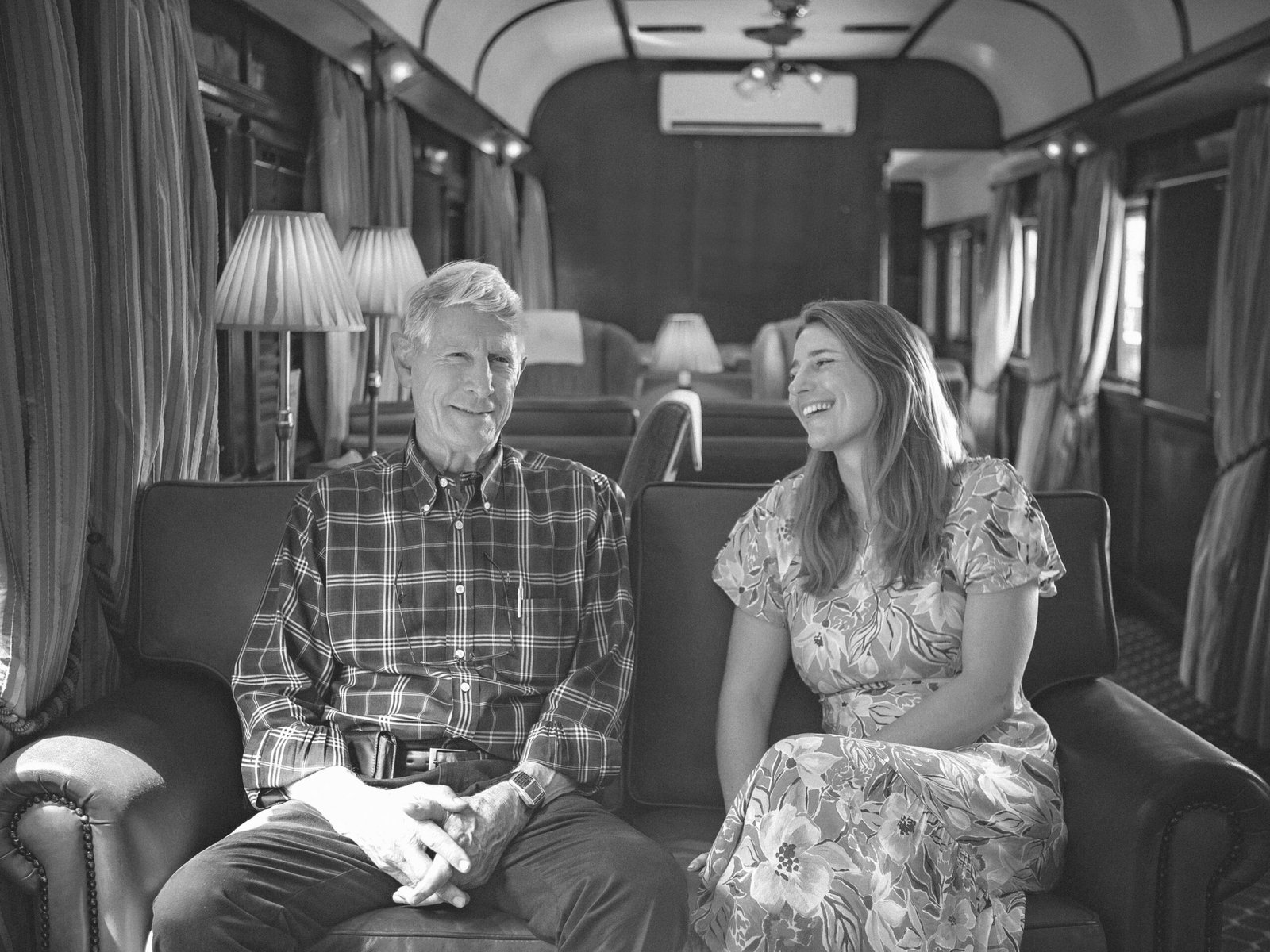
“Rohan Vos, the founder and owner who recently turned 80, still personally reads and responds to the guest comment sheets” commented van Wyk.
The latest improvements include larger windows, introduced in the Royal and Deluxe suites were installed to immerse passengers into the passing scenery. Bathrooms were redesigned with details like double vanities and more generous layouts to create additional comfort during longer journeys.
In a world obsessed with scaling quickly and automating everything, there is something deeply reassuring about the idea of an 80-year-old founder still wanting to know how guests felt during their journey across Southern Africa.
Family ownership shapes everything in ways guests truly appreciate. Gareth spoke warmly about Anthea Vos’s involvement with local communities and sustainability initiatives across the company. Even the small amenity bags onboard use locally sourced products created by a South African female-owned business.
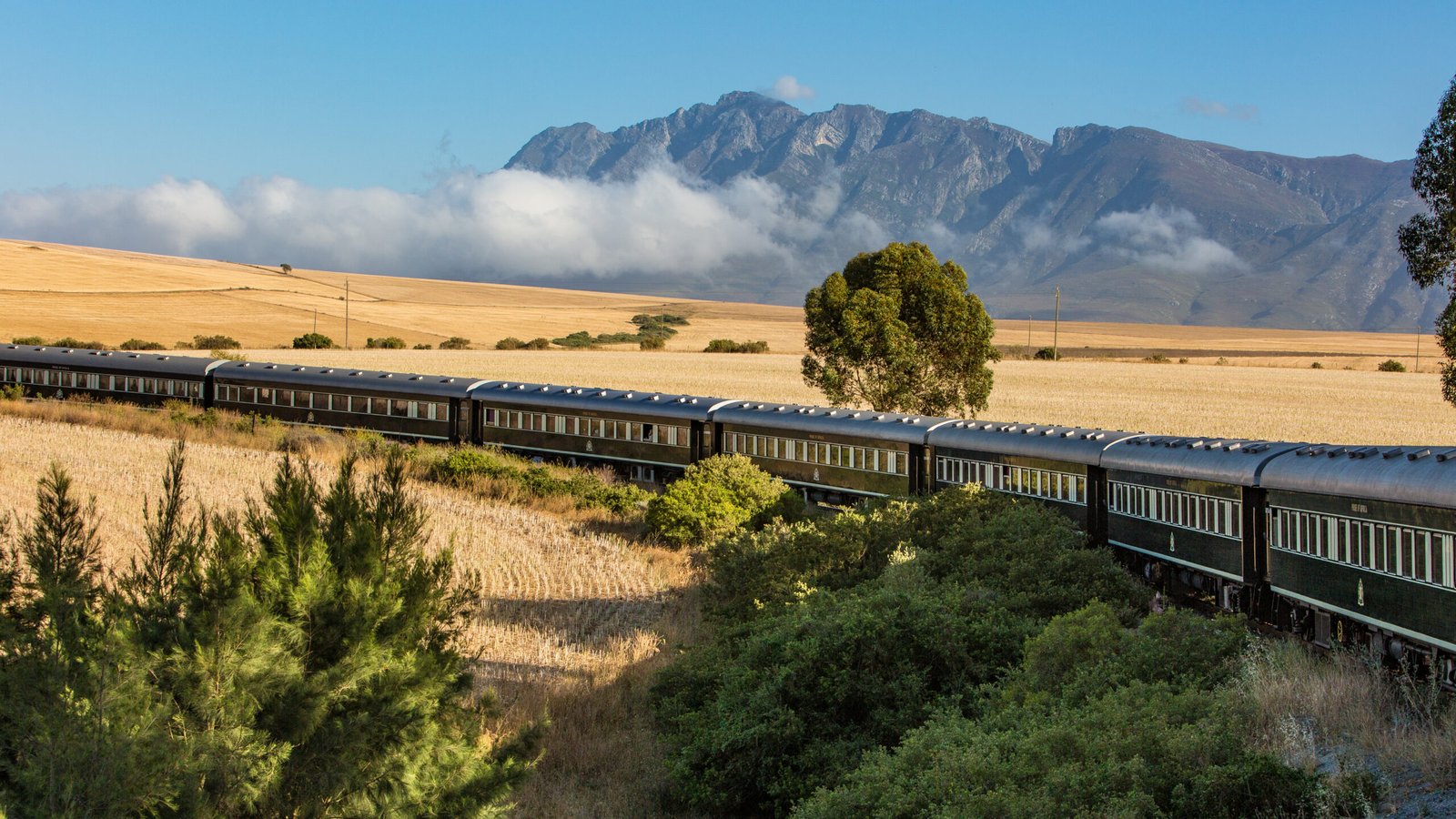
I also loved hearing about the scale behind the scenes. Rovos Rail now operates its own growing fleet of locomotives, including four hybrid locomotives purchased in 2024, with eight more currently commissioned over the next three years. Every operational decision seems rooted in preserving reliability and protecting the guest experience under the Rovos brand itself.
Then there is the atmosphere surrounding departure itself.
The private Pretoria station with beautifully restored vintage carriages. Guests arriving with that particular sense of anticipation that only rail travel seems to create. Tiffany Vos-Thane, the youngest daughter of the family and now COO, in a video spoke about that moment before departure when guests realise they are about to experience something genuinely extraordinary.
That anticipation is part of the romance too.
Luxury travel is ever changing. People are still searching for beauty, comfort, and exceptional experiences of course. But increasingly, they also want an atmosphere and emotional connection. The feeling that somewhere has a soul rather than simply a polished brand identity.
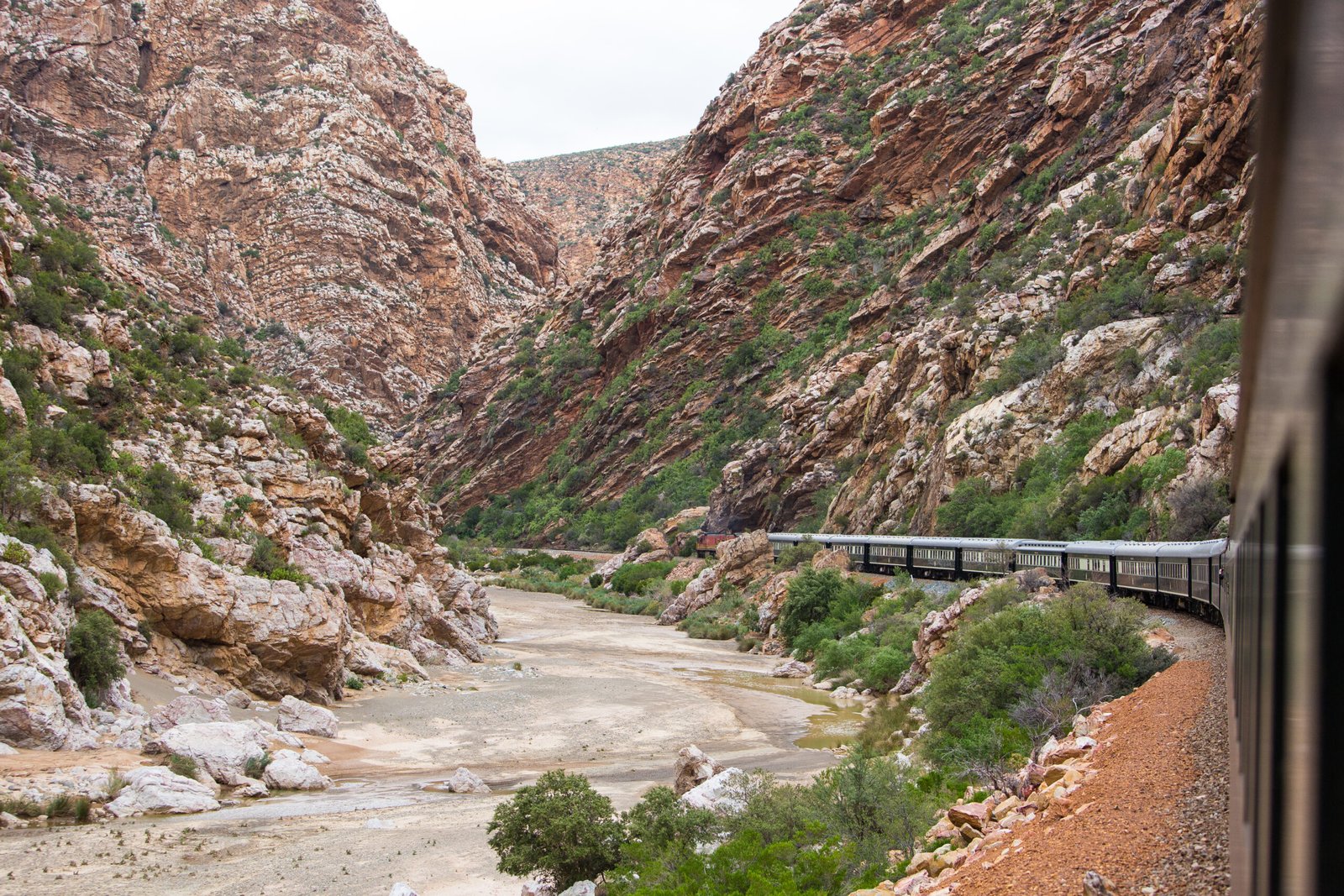
Rail travel has always possessed that quality in a way few other forms of travel can replicate. You do not simply arrive somewhere. You watch the world unfold slowly enough for it to leave an impression on you.
The changing light outside the carriage window. Morning coffee as landscapes drift past. Dinner conversations that somehow become more memorable because nobody is rushing to be anywhere else.
And perhaps Gareth was right when he said:
“If you go on one train journey, you will fall in love and go on another.”
I suspect he probably sees that happen all the time.
All Images: Rovos Rail